


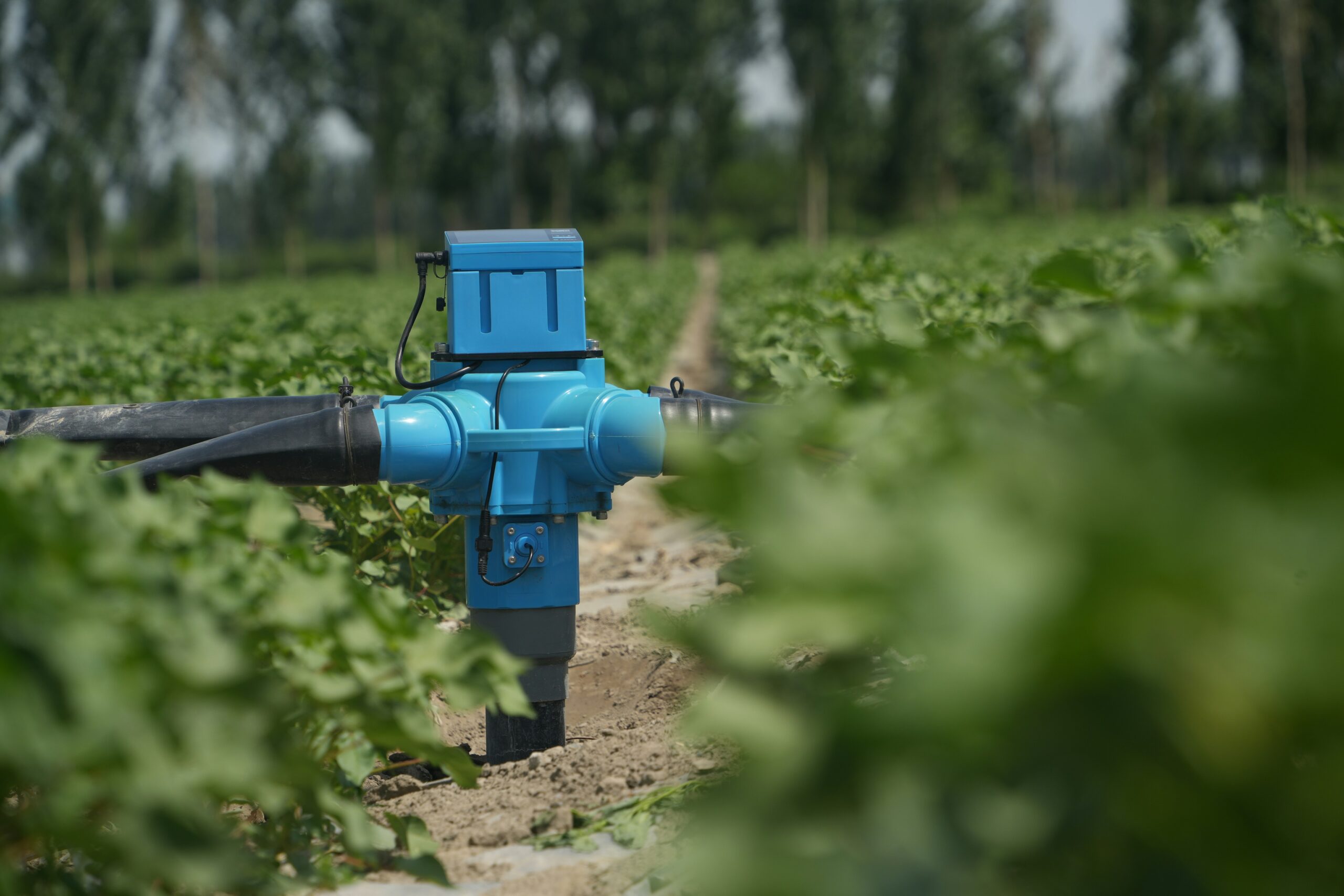
Maintaining a vibrant and healthy garden often feels like a constant guessing game that consumes your time and energy. Many gardeners struggle to understand exactly when their plants need water or why certain flowers refuse to bloom despite constant care.
We no longer live in an era where you must stick your finger in the dirt to estimate moisture levels or guess the nutrient content of your soil. Modern smart soil sensors have completely changed the landscape of home horticulture by providing real-time digital data directly to your smartphone.
These intelligent devices monitor moisture, sunlight, temperature, and even electrical conductivity to tell you exactly what your plants require. By integrating these sensors into your gardening routine, you eliminate the risk of overwatering and ensure your plants receive the perfect amount of sunlight.
This technological shift does not just save your plants; it also builds a deeper connection between you and the natural world through precise data. Embracing these advanced green tools allows you to enjoy a flourishing backyard while doing the heavy lifting with absolute scientific efficiency.
This guide explores the most effective smart sensors currently redefining the boundaries of high-precision gardening and sustainable plant care.
Mastering Real Time Moisture and Irrigation Control

A. Analyzing Volumetric Water Content Accuracy
Smart soil sensors use advanced electrical impedance technology to measure the volumetric water content around the root zone of your plants. This is far more accurate than simple analog probes because the sensor accounts for soil density and mineral content.
When the moisture level drops below a specific threshold, the sensor sends an instant alert to your mobile device.
This precision prevents the dreaded “root rot” caused by overwatering and ensures that your plants never suffer from drought stress. It allows you to maintain the perfect balance of hydration for even the most sensitive exotic species in your collection.
From my perspective, many gardeners kill their plants with kindness by watering on a fixed schedule regardless of the actual soil state. You solve the problem of “accidental overwatering” by letting the data dictate your watering frequency instead of your calendar.
I suggest you calibrate your sensor for each specific plant type, as a succulent needs a very different moisture profile than a tropical fern. This tailored approach ensures that every plant in your garden thrives in its own ideal micro-climate.
B. Utilizing Automated Watering System Integration
The most powerful smart sensors can link directly to your automated sprinkler or drip irrigation system via a smart home hub. When the sensor detects dry soil, it can trigger the water to turn on for a specific amount of time and then shut off once the target moisture is reached.
This “closed-loop” system ensures that your garden stays hydrated even when you are away on a long vacation or a busy work trip.
It significantly reduces your water waste by preventing the system from running during rainstorms or when the ground is already saturated. This integration turns your backyard into a self-sustaining ecosystem that manages its own resources with incredible precision.
I believe that “automated intelligence” is the ultimate secret to a low-maintenance garden that looks professional year-round. You solve the problem of “vacation anxiety” by trusting the technology to act as your eyes and hands while you are gone.
My advice is to set a “manual override” in your app so you can pause the system if you see a storm coming in the forecast. This human-plus-machine collaboration provides the highest level of security for your expensive landscaping investment.
C. Evaluating Soil Temperature for Planting Success
Soil temperature plays a vital role in seed germination and the overall metabolic activity of mature plants and beneficial soil microbes. Smart sensors provide constant temperature readings, helping you identify the perfect window for planting spring vegetables or summer flowers.
If the soil is too cold, seeds will rot; if it is too hot, the roots may stop absorbing nutrients effectively. Monitoring these shifts allows you to use mulch or shade cloths more effectively to stabilize the environment for your plants.
It provides a level of environmental awareness that traditional gardening methods simply cannot provide at such a granular level.
In my view, many people plant too early because the air feels warm while the soil remains dangerously cold. You solve the problem of “failed seedlings” by waiting for the digital confirmation that the earth has reached the optimal temperature for growth.
I suggest you place sensors at different depths to see how the heat moves through your garden beds during a typical day. This insight helps you understand the thermal “inertia” of your soil, allowing you to protect your plants more strategically during sudden cold snaps.
D. The Durability of Outdoor Sensing Hardware
High-quality soil sensors feature ruggedized, waterproof housings that can withstand constant exposure to mud, fertilizers, and extreme weather. You should look for sensors with long battery lives or built-in solar panels so you don’t have to dig them up every few weeks for a recharge.
The metal probes should be made from corrosion-resistant materials like stainless steel to ensure they provide accurate readings for many years.
A durable sensor is a long-term investment that provides a continuous stream of data across multiple growing seasons. It acts as a permanent digital guardian that stays in the dirt so you don’t have to.
I think that “build quality” is the most overlooked factor when people are shopping for new garden gadgets online. You solve the problem of “sensor failure” by choosing brands that offer high IP ratings and solid warranties for outdoor use.
My take is that you should clean the probes with a soft cloth and some rubbing alcohol at the end of every season. This simple maintenance habit prevents mineral buildup and ensures that your readings remain razor-sharp for the next year of planting.
Optimizing Sunlight and Nutrient Management
A. Monitoring Light Intensity and Duration
Most smart soil sensors include a light sensor on the top of the unit to track exactly how many hours of direct sun a specific spot receives. This is essential for placing “full sun” or “partial shade” plants in the locations where they are most likely to succeed.
You might discover that a corner you thought was sunny actually spends half the day in the shadow of your house or a neighbor’s tree.
The app can then provide “plant matching” suggestions based on the actual light data collected over several days. This scientific approach to plant placement significantly increases the survival rate of your new additions.
From my perspective, our eyes are very poor at judging cumulative light levels over an entire twelve-hour day. You solve the problem of “sun-scorched leaves” or “leggy growth” by moving your plants based on hard data rather than visual estimation.
I suggest you move your sensors around your yard for a week before you do any major new planting. This “light mapping” ensures that every expensive shrub or flower you buy goes into the perfect home on the very first try.
B. Analyzing Electrical Conductivity for Fertilizer Levels
Advanced soil sensors measure the electrical conductivity (EC) of the soil, which acts as a proxy for the total amount of dissolved salts and nutrients available. This data helps you understand if your plants are “hungry” for more fertilizer or if you have over-fertilized, which can burn sensitive roots.
By monitoring EC levels, you can apply nutrients more strategically and avoid the waste associated with unnecessary chemical applications.
It ensures that your soil remains a healthy and vibrant medium for growth without becoming toxic over time. This high-level insight is a game-changer for those growing high-value crops or maintaining a perfect lawn.
I believe that “nutrient guessing” is the primary reason why many home gardens look yellow or stunted despite frequent feeding. You solve the problem of “nutrient lockout” by only adding fertilizer when the sensor shows a genuine dip in the soil’s conductivity.
My advice is to use organic, slow-release fertilizers that provide a steady and measurable rise in EC rather than a sudden spike. This gentle approach keeps the soil chemistry stable and encourages long-term root health and plant resilience.
C. Tracking Soil pH for Mineral Availability
While less common, some specialized smart sensors can track the pH levels of your soil in real-time or through periodic testing modules. Soil pH determines which nutrients the plant can actually “unlock” and absorb through its root system regardless of how much fertilizer you add.
If your soil is too acidic or too alkaline, your plants might show signs of deficiency even in nutrient-rich dirt. Having a digital record of pH shifts allows you to use amendments like lime or sulfur with surgical precision. It turns the complex world of soil chemistry into a simple and manageable metric that anyone can understand.
In my experience, a “hidden” pH imbalance is the most common cause of mystery plant deaths in otherwise well-managed gardens. You solve the problem of “nutrient invisibility” by knowing exactly when to adjust your soil’s acidity to match your plants’ specific needs.
I suggest you test different areas of your yard, as the pH can vary significantly between a pine-needle mulch area and a flower bed. Knowing these variations allows you to plant “acid-loving” species like blueberries exactly where they will be happiest.
D. The Advantage of Multi Sensor Networks
To get a true picture of your property, you should use a network of several sensors placed in different zones like the front yard, the vegetable patch, and the greenhouse. Most smart apps allow you to group these sensors together and see a “site-wide” overview of your garden’s health.
This allows you to identify specific problem areas, such as a zone with poor drainage or a spot where the wind dries out the soil faster.
A multi-sensor approach provides the data needed for “precision landscaping” where every square foot of your property is managed optimally. It turns your hobby into a professional-grade operation with very little extra effort required on your part.
I think that “zonal management” is the only way to handle a diverse garden with many different types of plants and soil conditions. You solve the problem of “generic care” by providing each part of your yard with the specific attention it requires to look its best.
My take is that you should name each sensor in your app after the specific plant or area it is guarding. This personal touch makes the data much easier to read and act upon when you are in a rush to finish your chores.
Strategic Gardening and Data Driven Decisions
A. Leveraging Historical Growth Trends
Smart sensor apps record your garden’s data over months and years, allowing you to see how your soil responds to different seasons and weather events. You can look back and see exactly how much water your lawn needed during a heatwave or how fast the soil warmed up last spring.
This historical perspective helps you plan for future years with much more accuracy and confidence. You can predict when your roses will bloom or when your tomatoes will need extra support based on past performance data.
It turns your garden into a “living laboratory” where you are always learning and improving your skills as a grower.
From my perspective, a “garden journal” is great, but a “digital history” that you don’t have to write yourself is even better. You solve the problem of “forgetting last year’s lessons” by having a permanent record of every success and failure in your pocket.
I suggest you add “notes” in your app whenever you see a new bloom or a pest problem to correlate with the sensor data. This creates a powerful story of your garden’s life that you can use to refine your strategy every single season.
B. Identifying Early Signs of Pest and Disease
Sudden and unexplained changes in soil moisture or nutrient uptake can be an early warning sign of root-related pests or diseases. For example, if a plant suddenly stops drinking water despite hot weather, it might have a fungal infection or a pest attacking the roots.
Catching these “anomalies” early allows you to treat the problem before it spreads to the rest of your garden or kills the plant.
Smart sensors act as an “early warning system” that sees the problem underground long before you see the leaves start to wilt. This rapid response capability is vital for maintaining a healthy and resilient organic garden.
I believe that “prevention” is the only way to manage a large garden without relying on heavy chemical pesticides or fungicides. You solve the problem of “sudden plant collapse” by noticing the subtle shifts in behavior that always precede a major health crisis.
My advice is to check your “unusual activity” alerts every morning while you have your coffee to catch problems in their earliest stages. This vigilance ensures that your garden remains a safe and healthy space for your family and local wildlife.
C. Optimizing Your Gardening Budget and Resources
By using only the water and fertilizer that your plants actually need, you can significantly lower your annual gardening expenses. Smart sensors prevent the waste of expensive resources and ensure that every dollar you spend on your garden leads to measurable growth.
You will find that you buy fewer replacement plants because your survival rates will skyrocket with data-driven care.
Over time, the cost of the sensors is easily covered by the savings in water bills and the reduction in wasted materials. It is a smart financial move for anyone who takes their outdoor hobby seriously and wants to maximize their ROI.
In my view, “efficient beauty” is the hallmark of a modern and responsible home gardener in the current economy. You solve the problem of “expensive trial and error” by making every decision based on the actual needs of your soil and plants.
I suggest you calculate your “water savings” at the end of each month to see exactly how much the sensors are contributing to your household budget. This financial clarity makes it much easier to justify buying that new rare plant or upgraded garden tool you’ve been wanting.
D. Connecting with a Global Community of Growers
Many smart sensor platforms allow you to share your data anonymously with a community of other gardeners in your region. You can see how your soil temperature compares to others nearby and get tips on what is growing well in similar conditions.
This “crowdsourced intelligence” helps you stay ahead of local pest outbreaks or weather shifts that might affect your yard. It builds a sense of community and provides a wealth of shared knowledge that would be impossible to gather on your own.
You become part of a global movement of “citizen scientists” who are using technology to make the world a greener place.
I think that “shared data” is the fastest way to become an expert in your specific local environment and soil type. You solve the problem of “isolation” by learning from the successes and mistakes of thousands of other gardeners who are facing the same challenges.
My take is that you should participate in the community forums and “share your wins” whenever a new strategy works for you. This collaborative spirit is what makes the modern gardening community so vibrant, helpful, and successful for everyone involved.
Conclusion

Smart soil sensors are truly the best tool for anyone who wants a perfect garden with less stress. They provide a high level of precision and peace of mind every single day.
Using technology allows you to understand your plants in a way that was never possible before. This shift from guessing to knowing is the key to a thriving and healthy backyard.
Always remember that the data is a guide to help you become a better partner to your plants. You should use the information to nurture and protect your garden’s natural beauty.
The cost of a smart sensor system is a small price to pay for the incredible results it delivers. It is an investment in your home’s value and your own personal happiness.
Don’t be afraid to start small with just one or two sensors in your most important garden beds. You will be amazed at how quickly you learn and how much your plants will appreciate the care.
Your path to a more professional and successful garden starts with the very first sensor you plant. Take that step today and experience the future of high-precision gardening for yourself.