


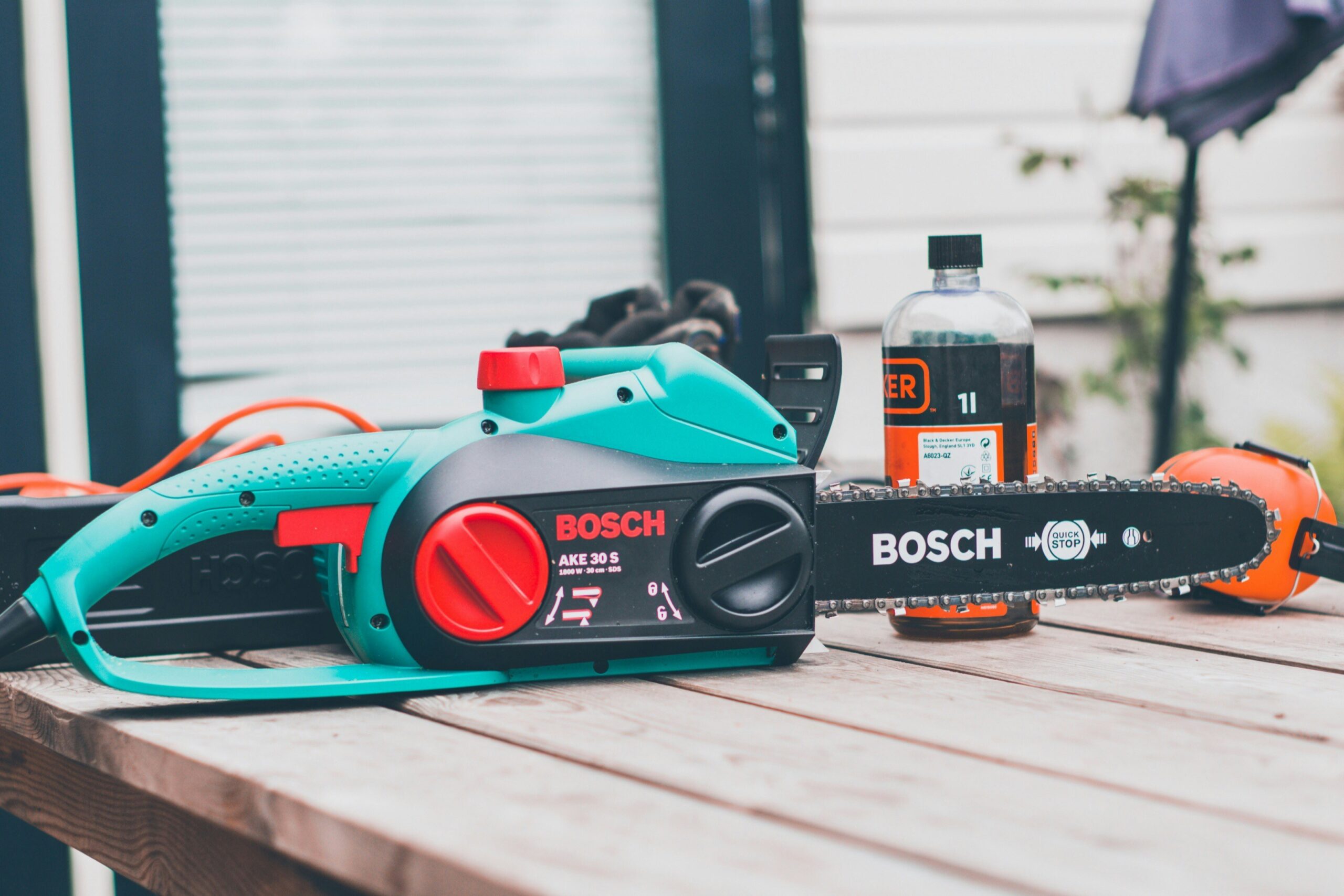
Modern wood cutting has undergone a massive transformation as battery technology finally catches up to the raw power of internal combustion. We no longer live in an era where maintaining a property requires the constant smell of mixed gasoline and the frustrating ritual of pulling a starter cord twenty times.
Today, high-performance cordless electric chainsaws provide the extreme torque necessary to fell large trees and slice through thick hardwood with surgical precision. These advanced machines utilize brushless motors and high-voltage lithium-ion batteries to deliver instant power the moment you pull the trigger.
Homeowners and professionals alike now favor these tools because they operate quietly, require almost zero maintenance, and produce no toxic exhaust fumes. Because they run on stored electricity, you can work in residential neighborhoods at sunrise without disturbing the peace of your neighbors.
Embracing this technological shift allows you to handle heavy-duty clearing tasks with much less physical vibration and fatigue than traditional gas saws.
This comprehensive guide explores the most effective high-torque cordless solutions currently redefining the boundaries of modern timber management. Understanding these tools ensures that your outdoor chores remain efficient, safe, and surprisingly enjoyable.
Mastering High Voltage Brushless Motor Power

A. Analyzing the Benefits of Brushless Technology
Brushless motors represent the peak of modern cordless tool engineering because they lack the physical brushes that cause friction and heat. This design allows the chainsaw to convert nearly all the battery’s energy into raw cutting torque without wasting power as excess warmth.
The internal electronic controller adjusts the energy flow in real-time, providing more “juice” when the chain hits a tough knot in the wood.
You get a tool that runs longer on a single charge and stays cooler during intensive cutting sessions in the heat of summer. These motors also last significantly longer than brushed versions because they have fewer moving parts that can wear down over time.
From my perspective, the real advantage of a brushless system is the “smart” communication between the motor and the battery cells. You solve the problem of “stalling out” by letting the onboard computer manage the torque curves during the most difficult parts of the cut.
I suggest you listen to the pitch of the motor; it will tell you when you are pushing the saw too hard. This intuitive feedback allows you to adjust your pressure for the cleanest and most efficient cut possible.
B. Harnessing High Voltage Battery Platforms
To achieve extreme torque, modern cordless chainsaws have moved toward 60V, 80V, or even twin-battery 36V systems. These high-voltage platforms allow the motor to draw more power with less electrical current, which prevents the battery from overheating during heavy use.
You can slice through a twenty-inch oak log with the same confidence you once had with a professional-grade gas saw.
Most manufacturers now use high-capacity cells that provide steady power levels from the first cut to the very last. Having a unified battery system also means you can swap your chainsaw battery into your lawn mower or leaf blower in seconds.
I believe that “voltage is the new displacement” when it comes to judging the true power of a modern electric chainsaw. You solve the problem of “weak cutting” by choosing a platform that prioritizes high-capacity output for sustained heavy-duty tasks.
My advice is to keep at least two batteries on hand so you can charge one while you work with the other. This rotation ensures that your work never stops due to a lack of fuel, giving you total independence from the grid.
C. Evaluating Chain Speed and Cutting Efficiency
Torque is nothing without the right chain speed to clear away the wood chips and prevent the bar from binding. Professional-grade electric saws now reach chain speeds that rival gas-powered models, allowing for smooth and effortless slicing.
The high torque ensures that the chain doesn’t slow down when you apply physical pressure to the bar during a deep cut.
You should look for a saw that maintains a consistent RPM even when the teeth are buried deep in a thick trunk. This efficiency reduces the physical effort required from the operator and makes the entire job much safer.
In my view, the “quality of the cut” depends entirely on how well the motor maintains the chain’s momentum under load. You solve the problem of “jerky cutting” by letting the extreme torque of the motor do the work instead of forcing the saw down.
I suggest you let the saw’s own weight guide the cut through the wood rather than leaning on it with your full body. This prevents the motor from overworking and ensures a perfectly straight and professional-looking result every time.
D. The Durability of All Metal Gear Housings
High-torque motors put a massive amount of stress on the internal gears, so the housing must be built from rugged materials. Look for chainsaws that feature all-metal gearboxes and magnesium or high-strength aluminum motor housings for maximum durability.
These materials dissipate heat better than plastic and protect the sensitive internal components from the vibrations of heavy timber work.
A solid metal construction ensures that the internal alignment of the gears stays perfect even after years of professional use. This structural integrity is what separates a long-lasting investment from a cheap consumer-grade tool that will break under pressure.
I think that “toughness” is the most underrated feature of the new generation of professional electric chainsaws on the market. You solve the problem of “mechanical failure” by investing in a tool that can survive the bumps and drops of a busy job site.
My take is that a heavier metal housing actually helps with balance, providing a more stable and predictable cutting experience. Treat your gear housing with respect, and it will keep your high-torque motor humming along for many growing seasons.
Optimizing Safety and Operational Control
A. Implementing Electronic Chain Brake Systems
Safety remains the top priority when handling any high-torque cutting tool, and electric saws offer a massive advantage with their instant stopping power. Electronic chain brakes can stop the spinning chain in a fraction of a second the moment the trigger is released or kickback occurs.
Unlike mechanical brakes on gas saws, these systems respond with digital speed to protect the operator’s limbs from accidental contact.
Some models also include “kickback” sensors that shut down the motor if the tip of the bar hits an object at the wrong angle. This technological safety net provides immense peace of mind for both beginner and experienced woodcutters.
From my perspective, the “instant stop” feature is the single greatest safety innovation in the history of the modern chainsaw. You solve the problem of “coasting chains” that continue to spin after the work is done, which is a major cause of injuries.
I suggest you test your chain brake manually before every single session to ensure the electronic signal is reaching the motor correctly. This small habit builds a culture of safety that protects you and everyone else working on your property.
B. Utilizing Tool Less Chain Tensioning Features
Maintaining the correct tension on your chain is vital for both cutting performance and preventing dangerous “chain throws” during operation. Many modern cordless saws feature a tool-less tensioning dial that allows you to adjust the chain tightness in seconds with your gloves on.
You no longer have to carry a separate “scrench” in your pocket or stop your work to hunt for a lost tool in the grass. Keeping the chain at the perfect tension ensures that the extreme torque is transferred efficiently from the motor to the wood.
This convenience encourages users to make small adjustments more frequently, which leads to a safer and more professional cutting experience.
I believe that “friction” is the enemy of torque, and a loose or overly tight chain is the primary source of that friction. You solve the problem of “power loss” by keeping your chain perfectly tensioned so it glides smoothly along the guide bar.
My advice is to check the tension every time you refill the bar oil to ensure the chain hasn’t stretched during use. This regularity keeps your equipment in peak condition and ensures the motor never has to fight against unnecessary mechanical drag.
C. The Advantage of Low Vibration Handles
Electric motors produce significantly less vibration than the reciprocating pistons of a gasoline engine, which reduces the risk of “white finger” and hand fatigue. Modern cordless saws take this a step further by using advanced dampening materials in the handles to isolate the operator from the cutting action.
This allows you to work for longer periods without feeling the “tingling” sensation in your hands that often follows a day of gas saw use.
Lower vibration also improves your control over the tool, allowing for more precise and delicate cuts during pruning or carving. It turns a physically demanding job into a much more comfortable and manageable outdoor activity.
In my experience, “operator comfort” is directly linked to “operator safety” because a tired worker is a careless worker. You solve the problem of “muscle fatigue” by choosing a saw that feels smooth and balanced in your hands during a full cut.
I suggest you use a “light touch” when gripping the handles to let the dampening system do its job of absorbing the energy. This relaxed grip actually improves your reaction time and allows you to move the saw with much more fluid precision.
D. Monitoring Bar Oil and Thermal Limits
Even though the motor is electric, the bar and chain still require constant lubrication to prevent the metal from overheating and dulling. Most high-performance cordless saws feature an automatic oiler with a translucent tank so you can see the fluid level at a glance.
It is essential to use high-quality bar and chain oil to handle the extreme heat generated by high-torque cutting. The AI inside the saw will also monitor the temperature of the battery and motor, shutting the system down if it gets too hot.
This “thermal protection” ensures that your investment stays safe from permanent damage even during the most grueling summer work.
I think that “oil management” is the only thing that can truly slow down a modern high-performance electric chainsaw. You solve the problem of “burnt bars” by making it a habit to top off your oil every time you swap your battery pack.
My take is that you should use “biodegradable” bar oil to keep your property clean and healthy while you work. This eco-friendly choice matches the clean nature of your electric saw and protects the soil in your backyard.
Strategic Maintenance and Longevity Tips
A. Sharpening Teeth for Peak Torque Efficiency
A high-torque motor can “force” a dull chain through wood, but this puts an unnecessary strain on the battery and the internal gears. You should sharpen your chain teeth regularly to ensure they are slicing through the fibers rather than just grinding them away.
A sharp chain produces large, clean wood chips, while a dull one creates fine dust and generates a massive amount of friction heat.
You can use a simple hand file or a dedicated electric sharpener to keep your edges razor-sharp after every few hours of use. Maintaining a sharp edge ensures that every watt of battery power is used for productive cutting rather than overcoming resistance.
From my perspective, “sharpness” is the secret ingredient that makes a medium-power saw feel like a high-torque monster in the field. You solve the problem of “excessive battery drain” by ensuring that the teeth are doing the work they were designed for.
I suggest you carry a “spare sharpened chain” in your tool box so you can swap it out quickly during a long day of work. This keeps you moving at a fast pace and ensures you never have to work with a compromised cutting edge.
B. Cleaning the Battery Contacts and Vents
Dust and wood chips can quickly clog the cooling vents and the battery contact points of your cordless chainsaw, leading to poor performance. You should use a brush or compressed air to clear away any debris from the motor’s air intakes after every session to prevent overheating.
Keeping the battery contacts clean ensures a perfect electrical connection, which is vital for delivering the high amperage needed for extreme torque.
You should also wipe down the exterior of the saw with a damp cloth to remove any oily residue that can attract more dirt. Proper hygiene for your tool is the simplest way to protect the expensive electronics inside the handle.
I believe that “dirt” is the primary cause of electrical glitches and mystery failures in modern high-tech outdoor power equipment. You solve the problem of “intermittent power” by making sure the connection between the battery and the saw is rock-solid and clean.
My advice is to use a tiny bit of “electrical contact cleaner” once a season to keep the metal parts shiny and conductive. This small investment in maintenance ensures that your saw always delivers 100% of its power the moment you need it.
C. Inspecting the Guide Bar for Wear and Burrs
The guide bar takes a lot of abuse during high-torque cutting and can develop “burrs” or uneven wear along the edges over time. You should use a flat file to remove any sharp burrs from the rail to ensure the chain glides smoothly without any side-to-side wobble.
Flipping the guide bar periodically ensures that the top and bottom wear evenly, which can double the total lifespan of the part. You should also check the “sprocket” at the tip of the bar to make sure it spins freely and is properly lubricated. A healthy bar is the foundation of a safe and accurate cut in any type of wood.
In my view, a “warped bar” is a dangerous liability that can cause the chain to jump out of the groove during a high-speed cut. You solve the problem of “chain derailment” by inspecting the straightness of your bar against a flat surface once a month.
I suggest you clean the “oil hole” at the base of the bar with a small wire to ensure the lubrication is actually reaching the chain. A well-oiled and perfectly straight bar is what allows the torque of the motor to turn into a clean and easy slice.
D. Storing Lithium Ion Batteries Correctly
To protect the long-term health of your expensive high-voltage batteries, you must store them in a cool and dry place away from extreme temperatures. Never leave your batteries in a hot shed during the summer or a freezing garage during the winter, as this can permanently reduce their capacity.
You should also avoid storing them at “zero percent” or “100 percent” for long periods; aim for a “storage charge” of roughly fifty percent.
Most modern batteries include a small LED indicator that allows you to check the charge level without plugging them into a tool. Proper battery care ensures that your saw stays powerful and ready for many years of heavy-duty work.
I think that “battery management” is the most important skill for a modern cordless tool owner to master for financial success. You solve the problem of “expensive replacements” by treating your lithium cells with the same respect you would give to a high-end smartphone.
My take is that you should bring your batteries inside the house during the off-season to keep them at a stable room temperature. This proactive care ensures that your “power tank” is always full and healthy when the first storm of the year arrives.
Conclusion

High-torque cordless chainsaws are truly the best tools for modern property maintenance. They provide a high level of power and silence every single day.
You can fell large trees without the need for gasoline or pull cords. This technology protects your ears and the environment at the same time.
Always remember that a “sharp chain” is your best friend in the woods. You should sharpen your teeth regularly to maximize your battery’s total runtime.
Building a sustainable tool collection starts with choosing a single high-voltage platform. This allows you to share batteries across your entire outdoor maintenance ecosystem.
Don’t be afraid to invest in a professional-grade saw that will last for years. A high-quality electric saw is a silent partner that never lets you down.
Start your journey to a cleaner and quieter yard by choosing a cordless saw today. You will be amazed at the instant torque and the ease of use.
Your financial and physical future starts with the smart tools you hold in your hands. Build a better and safer property with the power of extreme cordless torque.