


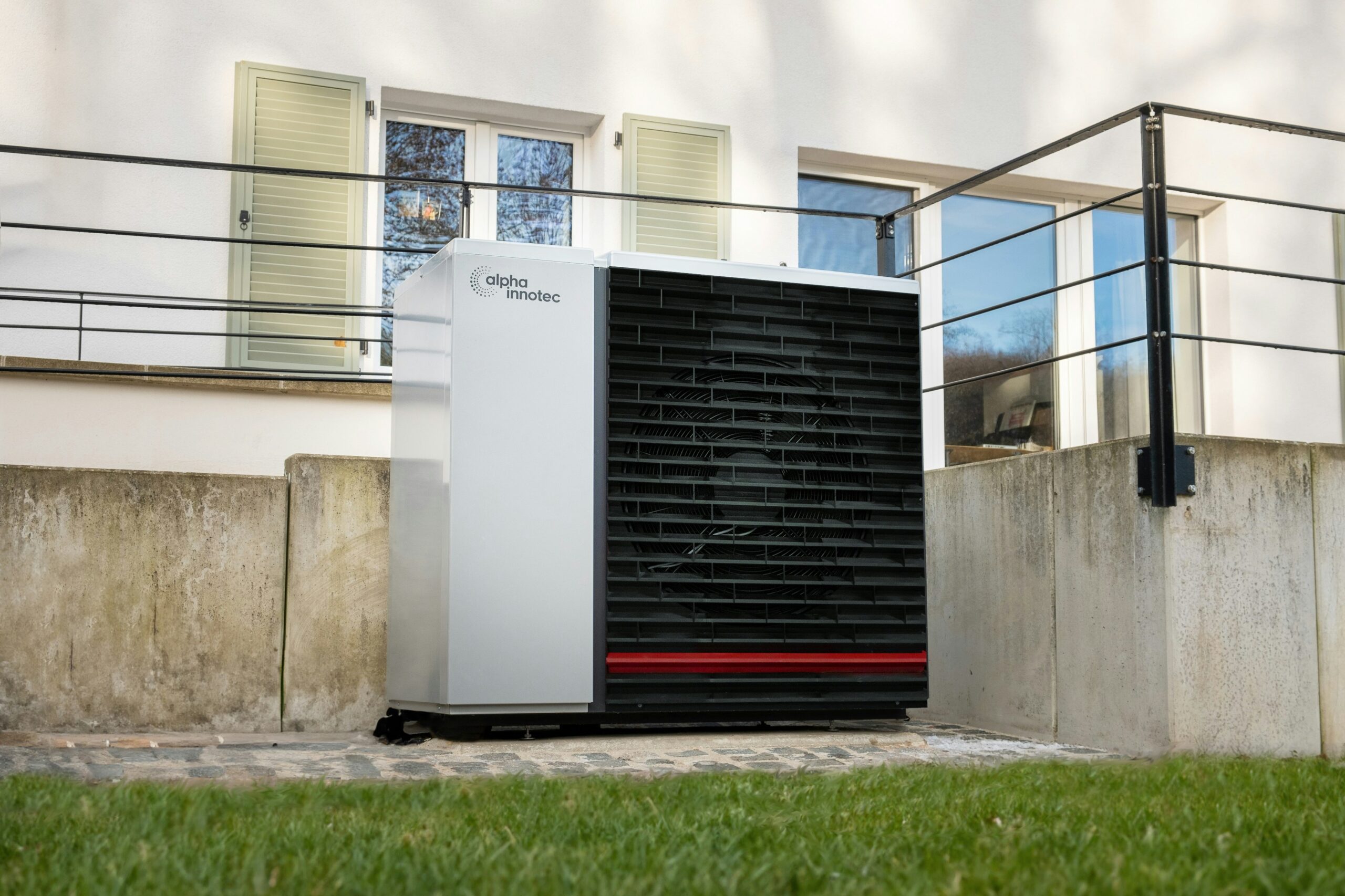
Switching to a high-efficiency heat pump represents one of the smartest upgrades you can make for your home environment and your monthly budget. We no longer live in an era where traditional furnaces and noisy air conditioners are the only options for maintaining a comfortable indoor climate.
Modern heat pump technology provides a seamless way to both heat and cool your living space using a single, highly advanced system. These units work by moving heat rather than generating it, which allows them to achieve incredible efficiency levels that traditional systems simply cannot match.
By leveraging the ambient temperature from the air or the ground, you can keep your home perfectly conditioned throughout the changing seasons. Most homeowners find that the initial investment pays for itself quickly through significantly lower utility bills and reduced maintenance costs.
Understanding the nuances of a professional installation ensures that your new system operates at its maximum potential for decades.
This guide explores the essential steps to navigate the installation process with total confidence and clarity. Embracing this green technology allows you to enjoy a quieter, cleaner, and much more affordable way to live comfortably every day.
Selecting the Right Heat Pump System

A. Analyzing Air Source vs Ground Source Options
Air source heat pumps are the most popular choice for residential installations because they are easier to set up and require less space. They extract heat from the outside air, even in cold temperatures, and transfer it inside your home during the winter.
Ground source or “geothermal” systems are more expensive initially but offer even higher efficiency by using the stable temperature of the earth.
You should evaluate your local climate and available yard space before deciding which path to take for your property. Both systems provide excellent cooling during the summer by reversing the process and pushing heat out of your house.
From my perspective, many people overcomplicate the choice between air and ground systems based on myths about cold weather performance. You solve the problem of “winter anxiety” by choosing a modern “cold climate” air source model that works efficiently even in sub-zero temperatures.
I suggest you focus on the air source variety unless you plan to stay in your home for a very long time to justify the higher cost of ground loops. This practical approach ensures you get the best return on your investment without unnecessary construction stress.
B. Calculating the Correct Heating and Cooling Load
A heat pump must be sized perfectly to match the specific square footage and insulation quality of your home. If the unit is too small, it will run constantly and fail to keep you comfortable; if it is too large, it will cycle on and off too frequently.
Professionals use a specific calculation to determine the exact BTU capacity your specific structure requires for peak efficiency.
This calculation accounts for your window types, ceiling heights, and even the direction your house faces relative to the sun. Getting the size right is the most critical factor in ensuring your system lasts for its entire intended lifespan.
I believe that “bigger is not better” when it comes to modern home comfort technology. You solve the problem of “short-cycling” and uneven temperatures by insisting on a professional load calculation before buying any equipment.
My advice is to perform small weatherization upgrades, like adding attic insulation, before the calculation happens. This allows you to install a smaller, cheaper unit that costs much less to operate every single month.
C. Understanding Efficiency Ratings and Certifications
When shopping for a heat pump, you will see various ratings for cooling efficiency and heating performance. Higher numbers indicate a more efficient unit that uses less electricity to provide the same amount of comfort.
While high-rating units cost more upfront, they save you a significant amount of money on your monthly utility statements.
You should look for reputable environmental labels to ensure the unit meets strict guidelines for performance. Choosing a high-efficiency model is a strategic move that protects you against rising energy costs in the future.
In my view, the “efficiency rating” is the most important number on the spec sheet for your long-term wealth. You solve the problem of high operating costs by viewing the extra upfront price as a prepaid discount on your future electric bills.
I suggest you aim for the highest rating your budget allows to ensure you are getting modern, top-tier technology. This ensures your home remains a high-value asset that is cheap to run regardless of how high energy prices climb.
D. Evaluating Ductless Mini-Split vs Central Systems
Central heat pumps use your existing ductwork to distribute air, making them a great replacement for old furnace and AC combinations. Ductless mini-splits use individual indoor units mounted on the walls, which allows for “zoning” where you only heat or cool the rooms you are using.
Mini-splits are incredibly efficient because they eliminate the energy loss that typically happens in leaky or uninsulated ducts.
You can mix and match these systems depending on the layout of your home and your specific comfort needs. Many homeowners choose a hybrid approach to solve “hot spots” in specific rooms while keeping their central system for the rest of the house.
I think the “zoning” capability of mini-splits is the ultimate secret to a low-cost and high-comfort lifestyle. You solve the problem of “cooling empty rooms” by only activating the units in the spaces where your family is currently gathered.
My take is that you should consider a ductless system if your home has an older addition or a finished basement that the main system struggles to reach. This targeted cooling provides instant relief and prevents you from overworking your primary central unit.
The Professional Installation Process Steps
A. Preparing the Outdoor Pad and Clearance
The outdoor unit, or condenser, requires a level and stable base to prevent vibrations and ensure proper drainage of condensation. Installers usually pour a concrete pad or use a heavy-duty composite riser to keep the unit off the ground.
It is vital to maintain plenty of clear space around the unit for proper airflow and future maintenance access. You should also ensure the unit is not placed directly under a roof eave where heavy snow or rain can fall on it.
Proper placement protects the sensitive components from environmental damage and ensures the system breathes easily.
From my perspective, the “outdoor environment” is the most neglected part of a successful heat pump installation. You solve the problem of “mechanical strain” by keeping the area around your unit clear of weeds, shrubs, and debris.
I suggest you check the level of your pad once a year to ensure the ground hasn’t shifted or settled unevenly. A level unit prevents internal issues and keeps your compressor lubricated and running smoothly for decades.
B. Installing the Indoor Air Handler and Coil
The indoor portion of the system contains the blower motor and the evaporator coil that transfers heat to your indoor air. This unit must be connected to your home’s ductwork or mounted securely on a wall if you are using a ductless system.
Installers must ensure that the drain pan and the condensate line are tilted correctly to prevent water leaks. A high-quality installation includes an airtight seal between the air handler and the ducts to prevent conditioned air from leaking into your attic or crawlspace.
This stage of the process requires precision and a deep understanding of airflow dynamics within the home.
I believe that “air leaks” at the indoor unit are the primary reason why many new systems fail to reach their rated efficiency. You solve the problem of “wasted cooling” by insisting that your installer uses high-quality sealant on all duct connections.
My advice is to ask for a pressure test once the indoor unit is connected to the ductwork. This test proves that your fan is moving the right amount of air without unnecessary resistance or noise.
C. Running Refrigerant Lines and Electrical Wiring
The indoor and outdoor units are connected by a pair of copper refrigerant lines and a set of high-voltage electrical wires. These lines must be insulated perfectly to prevent energy loss and “sweating” that can lead to mold or water damage.
The installer will drill a small hole through your exterior wall and use a decorative cover to protect the pipes from the sun and pests.
Proper electrical sizing is critical, as a heat pump requires a dedicated circuit with the correct amperage to handle the startup load. This phase of the installation is where the “heavy lifting” happens and requires a licensed professional for safety.
In my experience, the “line set” is the most vulnerable part of the system to accidental damage from yard work or pets. You solve the problem of “leaks and shorts” by ensuring all exterior lines are encased in a rigid, weather-resistant conduit.
I suggest you watch the installer “vacuum” the refrigerant lines to remove all moisture and air before adding the coolant. This deep vacuum is the only way to guarantee that your system remains free of internal corrosion and buildup.
D. Testing System Controls and Thermostat Link
The final step involves connecting the heat pump to a smart thermostat and testing all the operational modes. The installer will check the temperature difference between the air entering and leaving the system to ensure it is cooling correctly.
They will also verify that the backup heat kicks in only when absolutely necessary. This ensures that your system transitions smoothly between heating and cooling without any human intervention. Modern smart thermostats allow you to monitor this performance directly from your smartphone for total peace of mind.
I think the “smart link” is what turns a high-end machine into a truly high-efficiency home partner. You solve the problem of “inefficient settings” by letting the technology manage the recovery times and temperature shifts for you.
My take is that you should spend some time with your installer learning how to read the alerts on your thermostat. Knowing what a filter alert looks like prevents a small maintenance task from turning into an expensive service call.
Long Term Maintenance and Performance Optimization
A. Changing Filters and Cleaning Coils Regularly
A heat pump moves a massive volume of air, which means its filters and coils can quickly become clogged with dust and pollen. You should replace your indoor air filters regularly to maintain high airflow and indoor air quality.
The outdoor coils should be rinsed gently with a garden hose once a year to remove dirt and grass clippings that block heat transfer.
Keeping your system clean is the easiest and cheapest way to prevent expensive component failures. A clean system runs quieter and uses significantly less electricity than one that is struggling to breathe through dirt.
From my perspective, a “dirty filter” is the number one killer of expensive compressors in the modern world. You solve the problem of “premature wear” by setting a recurring reminder on your phone to check your filters on the first of every month.
I suggest you buy your filters in bulk so you always have a fresh one ready in the closet. This simple habit ensures that your heat pump always operates at its peak factory-fresh efficiency level.
B. Protecting the Outdoor Unit from Extreme Weather
While heat pumps are built for the outdoors, they still benefit from some protection against heavy snow, ice, and falling leaves. You should never cover the unit with a solid plastic tarp, as this traps moisture and can cause internal components to rust.
Instead, consider a specific cover or a simple roof that stays well above the unit to block direct falling ice. In the summer, providing some natural shade can lower the ambient temperature around the unit, making it easier for it to reject heat.
I believe that “airflow” is much more important than “shade” for the outdoor portion of your high-efficiency system. You solve the problem of “overheating” by ensuring that your landscaping doesn’t grow too close to the intake fins.
My advice is to maintain a “no-plant zone” around the unit to prevent leaves from clogging the delicate coils. This creates a safe zone that allows the unit to perform perfectly even during the hottest summer afternoons.
C. Scheduling Professional Annual Inspections
A licensed technician should perform a safety and performance check once a year to verify refrigerant levels and electrical connections. They use specialized tools to check for tiny leaks that a homeowner would never be able to see or hear.
Professional maintenance ensures that the “defrost cycle” is working correctly, which prevents the outdoor unit from turning into a block of ice during the winter.
These inspections often catch small problems before they turn into emergency repairs that cost much more. Most manufacturers require this regular service to keep your high-value warranty in effect.
In my view, a service contract is the best insurance policy you can buy for your home’s core comfort system. You solve the problem of “unexpected breakdowns” by having a professional eye on your equipment during the off-season.
I suggest you schedule your visit in the spring or fall when companies are less busy and can spend more time on your unit. This proactive approach gives you the “first priority” status if you ever do face a real emergency during a heatwave.
D. Monitoring Energy Data for Performance Drops
By tracking your monthly utility usage, you can spot shifts in efficiency that might indicate an internal system problem. If your bill suddenly spikes without a change in the weather, your heat pump might be relying too much on its expensive backup heat.
Many smart thermostats provide energy reports that highlight exactly how many hours the heat pump ran compared to the previous month. This data-driven oversight allows you to be an “active manager” of your home’s energy consumption.
Catching an efficiency drop early can save you hundreds of dollars in wasted electricity over the course of a single winter.
I think that “data-blindness” is why many people pay too much for their home comfort without even knowing it. You solve the problem of “invisible waste” by letting your smart home app show you the hidden truth about your energy use.
My take is that you should check your backup heat runtime at least once a week during the coldest months. If that number is high, it might be time to call a tech to check your refrigerant charge or your thermostat settings.
Conclusion

Upgrading to a heat pump is the best move for your home’s future. It provides incredible comfort while protecting your bank account from high costs. The technology for heating and cooling is getting better every year.
You should embrace these tools to live a more sustainable life. Always prioritize a professional installation to ensure your system reaches its goals. A good installer is just as important as the brand of the machine. Your home is your biggest asset and it deserves the best equipment.
A high-efficiency heat pump adds value and comfort to your daily space. Don’t be afraid of the learning curve for your new smart system. Most people find the automation features to be a massive relief. Start your journey to a lower-cost home by getting a professional quote.
You will be amazed at the silence and the savings of a modern system. Your financial freedom starts with the smart choices you make now. Build a better future for your family with a heat pump today.