


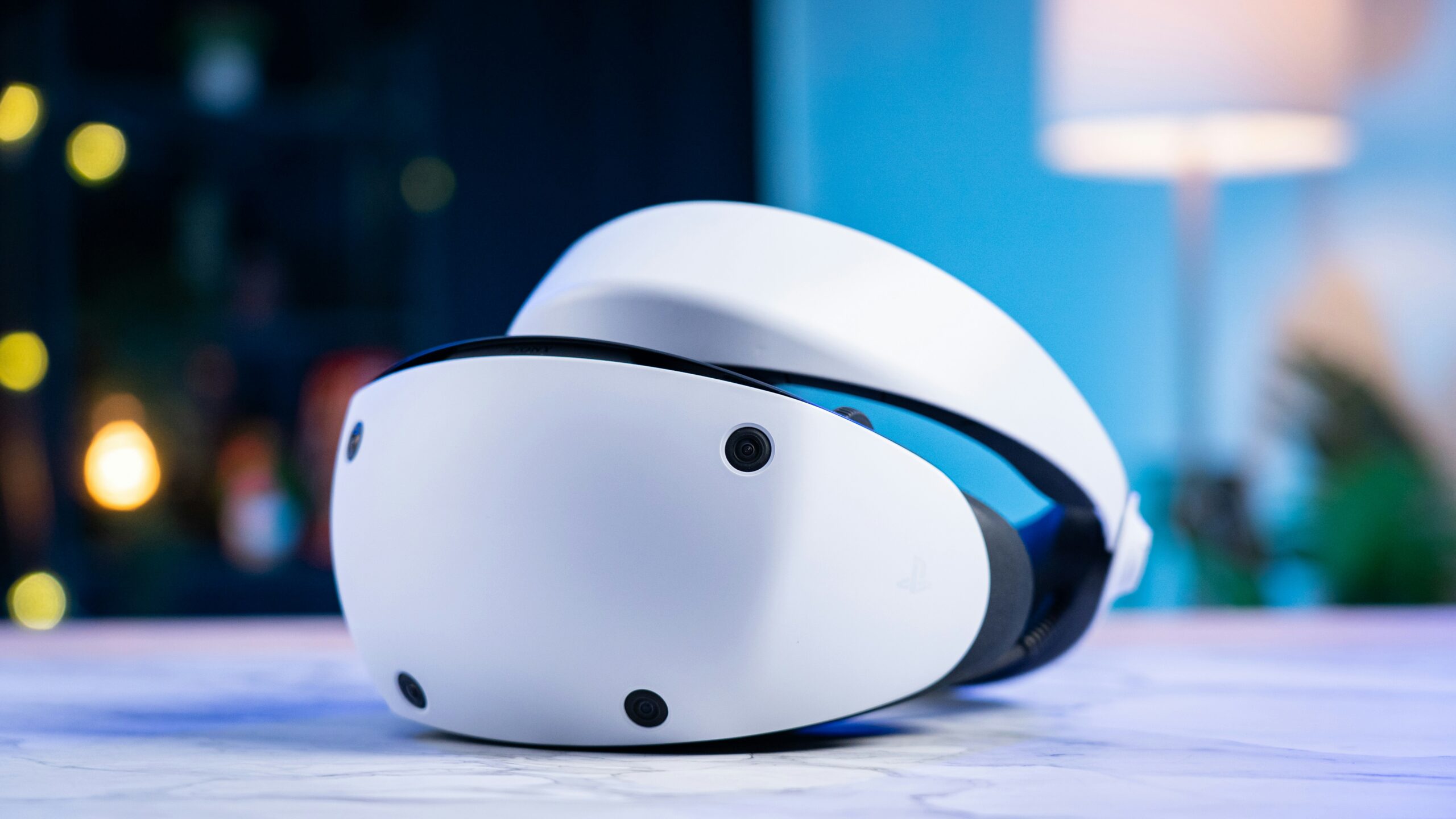
The industrial landscape is undergoing a massive digital transformation that prioritizes both worker efficiency and high-level physical safety. We no longer live in an era where a simple plastic shell is enough to protect a professional on a complex job site.
Modern engineering has birthed a new generation of headgear that integrates augmented reality and smart sensors directly into the wearer’s field of vision. These smart helmets allow architects, engineers, and frontline workers to see digital blueprints and real-time data overlays without ever looking away from their tasks.
By providing hands-free access to critical information, these devices significantly reduce the risk of manual errors and accidents in high-stakes environments. We are seeing a shift where the helmet acts as a personal computer and a proactive safety guardian at the same time.
This technological leap ensures that every team member stays connected to the central hive of project data while remaining physically protected. Understanding the capabilities of these advanced tools is essential for any company looking to modernize its operations and protect its most valuable assets.
This guide explores the most effective features of smart helmets and how they are currently redefining the boundaries of industrial productivity.
Mastering the Power of Heads-Up Displays

A. Visualizing Blueprints via Digital Overlays
One of the most powerful features of an AR helmet is the ability to project 3D models and blueprints directly onto the real-world environment. Instead of carrying heavy paper plans or tablets, a worker can see exactly where a pipe or a structural beam needs to go.
This “digital ghost” allows for incredible precision during the installation phase of a project. It eliminates the guesswork that often leads to costly rework and project delays. By aligning the digital data with physical space, the helmet ensures that every component fits perfectly according to the original design.
From my perspective, many construction errors happen because workers struggle to translate 2D drawings into 3D reality. You solve this spatial confusion by providing a 1:1 scale visual guide that stays locked in place as the worker moves.
I suggest you use this feature specifically for “clash detection” where you can see if a new installation will hit an existing structure before you even start. This proactive visual check saves thousands of dollars and hours of wasted labor on every major project.
B. Accessing Real Time Performance Data
Smart helmets can connect to the Internet of Things (IoT) sensors located across a factory or a construction site. This allows the wearer to see the temperature, pressure, or status of a machine just by looking at it. The heads-up display (HUD) provides a transparent layer of information that helps the professional make instant decisions.
You no longer need to walk back to a central control room or check a handheld device to know if a system is running safely. This immediate access to data improves the speed of maintenance and reduces the downtime of critical industrial equipment.
I believe that “information lag” is the silent killer of productivity in heavy industry today. You solve the problem of constant back-and-forth movement by bringing the control room directly to the worker’s eyes.
My advice is to customize the HUD settings so you only see the most vital “red alert” data during high-focus tasks. This prevents information overload and ensures that the worker stays focused on the physical environment while remaining fully informed.
C. Voice Activated Command Systems
To keep the worker’s hands free for tools and materials, smart helmets utilize advanced voice recognition technology. You can ask the helmet to show a specific document, record a video of a problem, or initiate a call with a remote expert.
This “voice-first” interface is designed to work even in noisy industrial environments with heavy machinery running in the background.
It allows a technician to document their work or seek guidance without ever putting down their wrench or stopping their progress. This seamless interaction between human and machine makes the helmet feel like a natural extension of the professional’s capabilities.
In my view, the “hands-free” aspect is the most underrated safety feature of the entire AR ecosystem. You solve the problem of workers fumbling with gadgets while standing on ladders or near dangerous equipment.
I suggest you practice the specific voice commands in a quiet environment first to build muscle memory before heading into a loud work zone. When the technology responds instantly to your voice, you feel a level of control and confidence that significantly improves your daily output.
D. Night Vision and Thermal Imaging Integration
Some high-end smart helmets include thermal cameras that can see heat signatures through walls or in total darkness. This is a game-changer for electricians looking for overheating wires or firefighters navigating a smoke-filled building.
The AR display overlays the thermal data on top of the visual field, highlighting “hot spots” that would be invisible to the naked eye.
This “predator vision” allows for faster inspections and much safer navigation in hazardous or low-visibility conditions. It provides a level of environmental awareness that can save lives during an emergency or a critical system failure.
I think that thermal integration turns a standard safety worker into a “super-inspector” who can see the invisible. You solve the problem of hidden structural or electrical risks by making the heat data a permanent part of the visual experience.
My take is that you should use the “split-screen” mode if available to compare the thermal view with the standard visual view. This helps you identify exactly which component is failing without needing to touch or disassemble dangerous machinery.
Enhancing Remote Collaboration and Training
A. The “See What I See” Expert Support
Smart helmets allow a remote specialist located anywhere in the world to see the exact live video feed from the wearer’s perspective. The expert can then draw digital annotations on the worker’s AR display to point out specific bolts or wires.
This “telepresence” capability means that a company doesn’t need to fly an expert to a remote site for every minor issue.
It allows for instant problem-solving and ensures that the person on the ground always has the best possible guidance. This feature is a massive cost-saver for global companies with operations in hard-to-reach locations.
From my perspective, this feature is the ultimate “knowledge multiplier” for a modern industrial team. You solve the problem of “expert scarcity” by allowing one highly skilled person to support ten different sites in a single day.
I suggest you record these remote sessions to build a “video library” of complex repairs for future training. This creates a permanent archive of institutional knowledge that remains with the company even if the expert retires.
B. Interactive On-the-Job Training Modules
New hires can use smart helmets to follow step-by-step AR tutorials as they perform a task for the first time. The helmet guides them through the process, highlighting the correct tools and showing “ghost” animations of the required movements.
This “active learning” approach is much more effective than sitting in a classroom or watching a boring training video. It reduces the “time-to-competency” for new employees and ensures that they follow the exact safety protocols from day one.
The AI inside the helmet can even grade the worker’s performance and identify areas where they need more practice.
I believe that “learning by doing” with a digital coach is the future of industrial education. You solve the problem of the “skills gap” by providing a safety net for every new technician on your team. My advice is to use the “checklist” feature to ensure that no minor step is ever skipped during a complex assembly.
This disciplined approach builds perfect habits and ensures that the quality of work remains high regardless of the worker’s experience level.
C. Documenting Work for Quality Assurance
The built-in cameras on smart helmets can automatically take photos or record video at key stages of a project for quality control. These files are then timestamped and uploaded to a secure cloud server to create a permanent record of the work performed.
This “digital paper trail” is invaluable for legal protection, insurance claims, and future maintenance audits. It proves that a specific bolt was torqued correctly or that a safety check was completed according to code. Having an objective, first-person record of every task adds a massive layer of accountability to the entire workforce.
In my experience, “he-said-she-said” disputes can be the most frustrating part of a large construction project. You solve the problem of accountability by making the documentation process a natural and effortless part of the workday.
I suggest you set the helmet to “auto-capture” at specific GPS locations or when a voice command is given. This ensures that you have a complete visual history of the project without needing a dedicated photographer on site.
D. Improving Site Communication and Safety Alerts
Smart helmets act as a personal communication hub that can broadcast emergency alerts to the entire team instantly. If a gas leak is detected in sector B, every worker’s AR display will flash a warning and show the fastest evacuation route.
This “networked safety” ensures that no one is left behind during a crisis because they couldn’t hear a distant alarm.
The helmets can also track the location of every worker, allowing managers to see if someone has stopped moving or entered a restricted zone. This high-level oversight is critical for maintaining a safe and organized site in a dangerous industrial environment.
I think that a “connected” site is a “survivable” site where information moves faster than the danger. You solve the problem of communication breakdowns by giving every worker a direct line to the safety commander.
My take is that you should test the “emergency broadcast” feature once a month so everyone knows exactly what the visual alerts mean. This preparation turns a potential disaster into a managed and successful evacuation.
Maximizing Operational Efficiency
A. Reducing Project Rework and Material Waste
By using AR to verify the placement of every component, companies can nearly eliminate the need for expensive rework. When you can see the “digital twin” of a building before the concrete is even poured, you catch errors while they are still easy to fix.
This precision leads to a massive reduction in wasted materials and ensures that the project stays on its original timeline. The cost of a few smart helmets is often paid for by the savings from just one avoided structural mistake. It is an investment that provides a clear and measurable return on investment for the bottom line.
From my perspective, rework is the most “avoidable” expense in the entire construction industry today. You solve the problem of “margin erosion” by using the helmet as a high-tech measuring tape that never makes a mistake.
I suggest you integrate the helmet data with your project management software to track “actual vs. planned” progress in real-time. This provides a level of clarity that allows you to manage your budget with absolute surgical precision.
B. Optimizing Worker Movement and Ergonomics
AI inside the smart helmet can analyze the wearer’s movements to see if they are performing tasks in an inefficient or physically straining way. The software can suggest better ways to lift heavy objects or point out when a worker is spending too much time walking between tool stations.
By optimizing the “human flow” on a site, companies can get more work done with less physical exhaustion. This leads to a healthier workforce and a much lower rate of long-term musculoskeletal injuries. It treats the human body as a vital part of the industrial system that deserves the best possible management.
I believe that “human efficiency” is the final frontier for project managers looking to increase their profits. You solve the problem of “afternoon fatigue” by designing a workday that respects the physical limits of your team.
My advice is to review the “motion data” at the end of every week to see where you can improve the site layout. A small change in the location of a tool crib can save your team miles of walking every single month.
C. Streamlining Inspections and Regulatory Compliance
Inspectors can use smart helmets to perform digital walk-throughs where they record their findings and “tag” issues in augmented reality. These digital tags stay in place so the repair crew can find the exact problem area without any confusion.
This digital inspection process is much faster and more accurate than using a paper clipboard and a separate camera. It also creates a “ready-to-submit” report for government regulators, showing that all safety codes have been met.
This level of professional documentation makes the entire compliance process much smoother and less stressful for everyone involved.
In my view, the “paperwork” of safety is often more daunting than the safety work itself. You solve the problem of “regulatory headaches” by automating the data collection process as you walk through the site.
I suggest you use the “voice-to-text” feature to dictate your notes while your hands remain free to point out specific issues. This turns a four-hour inspection into a one-hour walk that produces a better and more professional final report.
D. Long Term Durability and Hardware Resilience
Industrial smart helmets are built to withstand the same impacts and environmental stresses as a traditional hard hat. They are rated for protection against falling objects and are often waterproof and dustproof for use in the toughest conditions.
The internal electronics are shielded to ensure they continue to work even in areas with high electromagnetic interference.
While they are more expensive than a plastic shell, they are designed to last for several years of heavy daily use. This durability ensures that your investment in technology remains protected even in the “real world” of a busy job site.
I think that “industrial grade” is the only standard that matters when you are putting a computer on a worker’s head. You solve the problem of “fragile tech” by choosing helmets that have been tested in military and heavy construction environments.
My take is that you should treat your smart helmets with the same care you would use for a high-end power tool. A quick cleaning of the sensors and the visor at the end of every shift will ensure the technology stays sharp for years.
Conclusion

Smart helmets with augmented reality are the ultimate tool for the modern industrial professional. They protect the body while empowering the mind with real-time digital intelligence.
Using technology allows you to move faster and with much more precision than traditional methods. This shift is the key to staying competitive in a rapidly changing world.
The best part of this technology is that it makes every worker feel like an expert from day one. It provides a safety net that encourages learning and growth in every role.
Always remember that the goal of technology is to help people work better and safer. You should embrace these tools as a way to value and protect your team.
The cost of a smart helmet is a small price to pay for the incredible safety and efficiency it provides. It is an investment in the future of your company and your people.
Start with a small pilot program to see how your team reacts to the new digital tools. You will be amazed at how quickly they adapt and begin to find new ways to use the technology.
Your path to a more modern and profitable job site starts with the very first helmet you deploy. Take that step today and experience the future of work for yourself.