


The construction and industrial world remains one of the most hazardous environments for workers across the globe today. Traditional safety protocols often rely on manual checklists and human supervision, which naturally leave room for oversight and accidental errors.
Fortunately, the rapid integration of artificial intelligence into job site management has started a revolution in how we protect our workforce. Modern AI tools can now monitor high-risk zones in real-time, identifying potential threats before they lead to serious injuries or costly downtime.
These systems use advanced computer vision and wearable sensors to create a digital safety net that never gets tired or distracted. By analyzing thousands of data points every second, AI helps project managers maintain a bird’s-eye view of every moving part on a busy site.
This technological shift does not just save lives; it also builds a culture of proactive care and operational excellence in every project.
Embracing these smart solutions ensures that your team stays safe while your productivity reaches new heights in a competitive market. This guide explores the most effective AI-driven tools currently transforming site safety for the better.
Intelligent Vision and Surveillance Systems

A. Automated PPE Detection Cameras
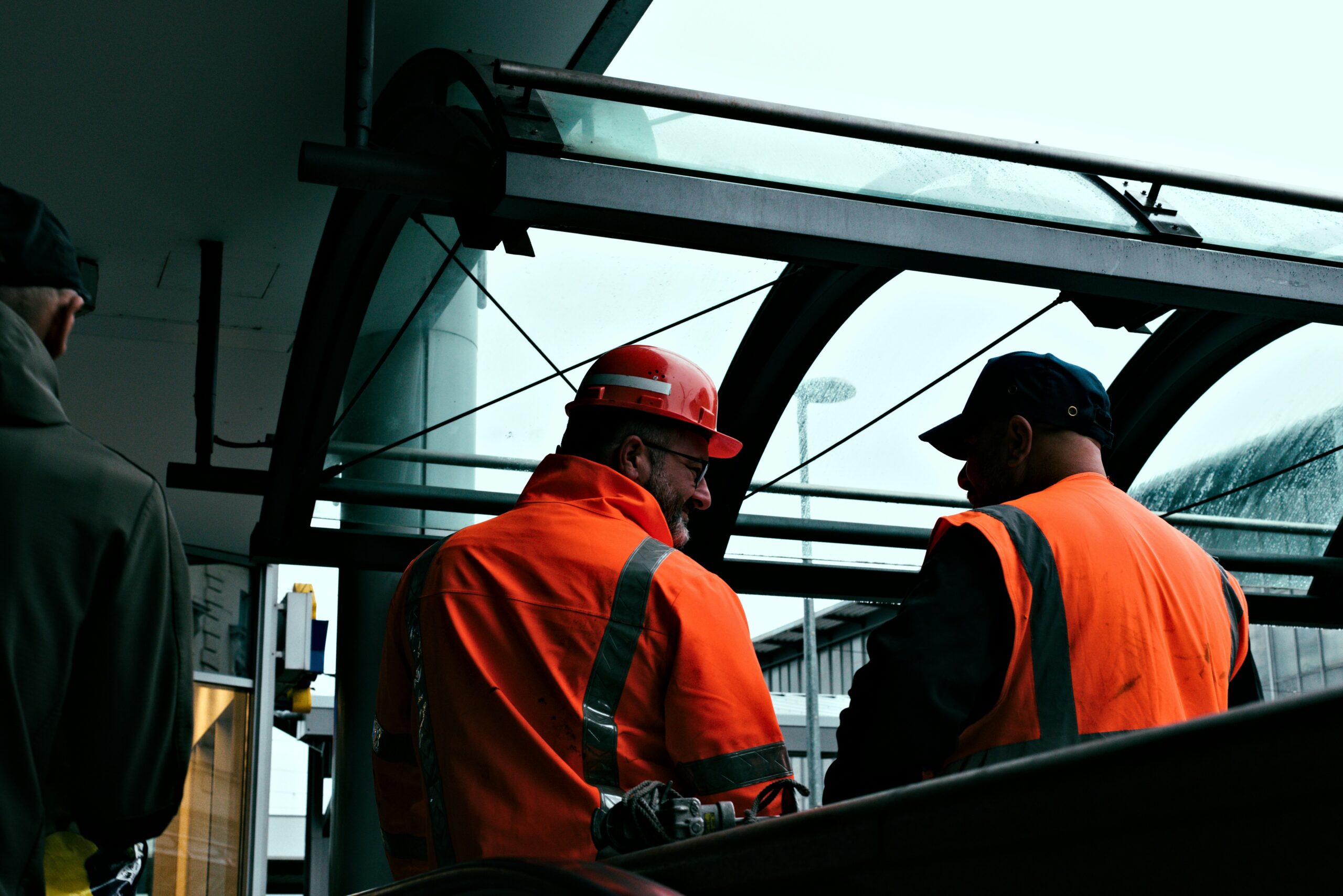
Computer vision systems now identify whether workers are wearing their hard hats, high-visibility vests, and safety goggles. These cameras scan the entrance and active work zones to ensure total compliance with site regulations at all times.
If the system detects a worker without the proper gear, it sends an instant alert to the safety supervisor’s mobile device.
This constant monitoring reduces the burden on human foremen and ensures that safety standards never slip during busy shifts. It creates an undeniable record of compliance that protects both the workers and the company from legal liabilities.
From my perspective, many workers forget their gear not out of rebellion, but due to the sheer heat or fatigue of the day. You solve this human friction by using AI to provide “gentle nudges” rather than harsh punishments through automated reminders.
I suggest you link these cameras to digital signage at site entrances to provide a real-time “safety check” for every person walking in. This visual confirmation builds a habit of self-correction that eventually makes the AI’s job much easier.
B. Proximity Alerts for Heavy Machinery
AI-powered sensors on excavators, cranes, and forklifts create a virtual “halo” around the equipment to detect nearby pedestrians. When a person enters a dangerous blind spot, the system triggers a loud alarm for the operator and a vibration for the worker.
This technology significantly reduces the risk of collisions, which remain a leading cause of fatalities in industrial settings.
These smart sensors can distinguish between a stationary object and a moving human, reducing the number of annoying false alarms. By providing 360-degree awareness, AI acts as an extra set of eyes for every machine operator on your site.
I believe that the biggest danger in heavy machinery operation is the “false sense of security” that comes with years of experience. You solve the problem of complacency by providing a redundant safety layer that catches the mistakes an exhausted operator might miss.
My advice is to review the proximity data weekly to identify “near-miss” hotspots on your site layout. This allow you to redesign your traffic flow and keep people physically separated from moving steel whenever possible.
C. Fall Detection and Gesture Recognition
Advanced AI algorithms can now analyze the body posture and movement patterns of workers at high elevations. If the system detects a sudden slip or a fall, it automatically triggers an emergency response protocol, even if the worker is unconscious.
Some systems also recognize specific hand gestures that signify a call for help or a request to shut down a machine.
This rapid response capability is critical in the “golden hour” following an accident where every second counts for medical intervention. It provides a level of protection for solo workers or those in remote areas of a massive project.
In my view, the “quiet” accidents are often the most deadly because help arrives too late to make a difference. You solve the problem of isolated risks by ensuring that the AI is always watching the most vertical and dangerous parts of your site.
I suggest you integrate these systems with local emergency services to provide them with the exact GPS coordinates of an incident. This technical bridge saves lives by removing the confusion that often follows a sudden site emergency.
D. Real Time Hazard Mapping Systems
AI can process live video feeds to identify slipping hazards, blocked fire exits, or improperly stored hazardous materials. The software generates a dynamic map of the site that highlights these “red zones” for the safety team to address immediately.
Instead of waiting for a weekly inspection, the AI provides a continuous stream of actionable safety data. This proactive approach prevents accidents from happening in the first place by maintaining a clean and organized work environment.
It turns a chaotic construction site into a predictable and manageable space through the power of data visualization.
I think that a messy site is a dangerous site, but keeping it clean manually is an uphill battle for any manager. You solve the problem of “clutter-blindness” by letting an objective algorithm point out the risks that your eyes have learned to ignore.
My take is that you should reward crews who maintain “green zones” on the AI map for the longest period. This gamification of safety turns a boring set of rules into a rewarding team goal.
Wearable Tech and Biometric Monitoring
A. Smart Vests with Vital Sign Tracking
Next-generation safety vests include sensors that monitor a worker’s heart rate, body temperature, and respiratory patterns. AI analyzes this biometric data to identify early signs of heat exhaustion or physical overexertion before the worker feels ill.
When a person’s vitals reach a dangerous threshold, the system advises them to take a break and hydrate. This is particularly vital in extreme weather conditions where heatstroke can set in very quickly and without warning. It treats the worker as a human asset whose physical well-being is the foundation of the project’s success.
From my perspective, many workers will push themselves past their limits just to prove their toughness or meet a deadline. You solve the problem of “macho culture” by letting the data provide the excuse to rest, which removes the social stigma of taking a break.
I suggest you use the aggregate data to adjust work schedules during the hottest parts of the day. This data-driven scheduling protects your team and actually increases productivity by preventing mid-day burnouts.
B. Smart Watches for Fatigue Management
Wearable devices can track sleep patterns and physical exertion levels to predict when a worker is at high risk of making a fatigue-related error. AI provides “readiness scores” each morning, helping supervisors assign the most complex or dangerous tasks to the most alert team members.
During the shift, the watch can send haptic vibrations to keep the wearer focused or remind them to move around.
This level of personalized safety management addresses the “human factor” that traditional protocols often ignore. It ensures that everyone on the site is mentally and physically prepared for the challenges of their specific role.
I believe that a tired mind is just as dangerous as a broken tool on a high-stakes job site. You solve the problem of human error by acknowledging that we are not machines and that our energy levels fluctuate.
My advice is to use this technology to implement “micro-breaks” that reset the brain’s focus during long, repetitive tasks. This small investment in human rest leads to much higher quality work and a significantly lower accident rate.
C. Exoskeletons with AI Power Assist
Modern wearable exoskeletons use AI to sense a worker’s movements and provide power-assisted support for heavy lifting or repetitive reaching. This reduces the strain on the back, shoulders, and knees, preventing the long-term musculoskeletal injuries that plague the construction industry.
The AI adjusts the level of support in real-time, ensuring the worker stays agile while being protected from overexertion.
These devices allow older, experienced workers to remain on the job longer without risking their physical health. It represents a “bionic” approach to safety that enhances human capability through smart mechanical assistance.
In my view, the “wear and tear” on a worker’s body is a hidden cost that the industry has ignored for too long. You solve the problem of long-term disability by providing the mechanical help that preserves a person’s joints and spine.
I suggest you introduce these tools for specific high-strain tasks like overhead drilling or heavy bricklaying. This targeted use of technology makes the most difficult jobs on the site much safer and more sustainable for everyone.
D. Smart Glasses for Real Time Safety Training
Augmented reality (AR) glasses powered by AI can overlay safety instructions and hazard warnings directly onto a worker’s field of vision. When a technician approaches a high-voltage panel, the glasses can display the correct lockout-tagout procedure in real-time.
This “just-in-time” training ensures that safety knowledge is always available exactly when and where it is needed most.
It eliminates the need for workers to rely on their memory for complex or rarely performed safety steps. AI-driven glasses can also provide remote assistance, allowing a safety expert to see what the worker sees and provide instant guidance.
I think that traditional safety manuals are often forgotten the moment the worker leaves the training room. You solve the problem of “knowledge retention” by moving the information out of the classroom and onto the job site.
My take is that you should use these glasses to provide “virtual walkthroughs” for new hires before they step into a live work zone. This immersive orientation ensures they understand the specific risks of the site without being in any actual danger.
Predictive Analytics and Risk Forecasting
A. Analyzing Historical Accident Data
AI can process decades of industry-wide accident reports to identify the specific conditions that lead to site incidents. By looking at weather patterns, crew sizes, and project types, the software can predict “high-risk days” for your specific job.
This allows managers to increase supervision or hold extra safety briefings when the data suggests a higher probability of an accident.
It moves the safety department from being “reactive” to “predictive,” stopping incidents before the first mistake is even made. This long-term data analysis helps companies identify the root causes of recurring safety issues in their operations.
From my perspective, history is the best teacher, but only if you have a machine that can read all the lessons at once. You solve the problem of “unexpected accidents” by realizing that most incidents follow a very predictable pattern.
I suggest you use these forecasts to plan your most dangerous activities, like crane lifts, for “low-risk” windows in the schedule. This strategic timing adds a massive layer of protection that relies on science rather than luck.
B. Monitoring Environmental Risks and Weather
Smart sensors across the site monitor air quality, noise levels, and extreme temperature shifts that could impact worker health. AI analyzes this environmental data and automatically sends alerts if conditions become hazardous, such as high levels of silica dust or carbon monoxide.
The system can also track lightning strikes or incoming wind gusts that could make crane operations or scaffolding work unsafe.
This real-time environmental awareness protects the long-term respiratory health and immediate safety of every person on site. It ensures that the “environment” is a managed variable rather than an unpredictable threat.
I believe that many chronic health issues in construction start with “small” exposures that go unnoticed for years. You solve the problem of long-term occupational illness by making the invisible dangers visible through constant digital sensing.
My advice is to link these sensors to the site’s ventilation systems to automatically clear out harmful fumes the moment they are detected. This automated response ensures that the air stays clean without any human intervention required.
C. Evaluating Crew Sentiment and Stress
Some advanced AI tools analyze communication patterns and “sentiment” within team messaging apps to gauge the stress levels of the crew. High levels of frustration or burnout often correlate with an increase in safety violations and careless mistakes on the job.
By identifying these “human red flags,” managers can intervene with extra support or schedule changes to lower the tension. This focuses on the mental and emotional health of the team as a primary driver of physical site safety. It acknowledges that a happy and focused team is naturally a much safer team.
In my view, a “bad mood” on a job site can be just as dangerous as a faulty harness or a weak ladder. You solve the problem of “human friction” by being proactive about the team’s morale and mental clarity.
I suggest you use these insights to facilitate “toolbox talks” that focus on stress management and open communication. When workers feel heard and supported, they are much more likely to look out for each other and follow the rules.
D. Optimizing Site Layout for Safety Flow
AI can simulate different site configurations to find the layout that minimizes the number of times workers and heavy machinery must cross paths. By analyzing the flow of materials and personnel, the software identifies “pinch points” where accidents are most likely to occur.
Managers can then use these insights to place storage areas and walkways in the safest possible locations. This “safety by design” approach reduces the inherent risks of a project before the first shovel hits the ground. It creates an intuitive site flow where the “safest path” is also the most efficient path for the workers.
I think that many site accidents happen simply because the layout makes the “wrong” way easier than the “right” way. You solve the problem of “risky shortcuts” by designing a site where the safest route is the most logical and fastest option.
My take is that you should re-run these simulations every time the project enters a new phase to account for changing site dynamics. A static safety plan is a failing safety plan in the fast-moving world of modern construction.
Conclusion

AI tools are the future of site safety and project success. They protect your workers from both immediate and long-term risks.
Using technology allows you to move from reacting to accidents to preventing them. This proactive approach saves lives and improves your overall productivity.
The best safety strategy combines smart machines with human wisdom and care. You should use these tools to empower your team, not replace them.
Always prioritize the privacy and dignity of your workers when implementing tracking tech. Transparency about how the data is used builds trust and cooperation.
The cost of these tools is a small fraction of the cost of a single accident. Investing in safety is the smartest financial move any company can make.
Start with one or two key tools like PPE detection or smart wearables today. You will see an immediate improvement in your site culture and safety records.
Your goal is to ensure that every person who starts a shift goes home healthy. AI is the most powerful partner you have in reaching that noble goal.